FCL vs LCL: which ocean shipping option is right for your business?
Summary: Pay for a whole container or share the space? Here's the practical comparison, cost, transit time, handling risk, that helps you choose per shipment, not per dogma.
What is FCL shipping?
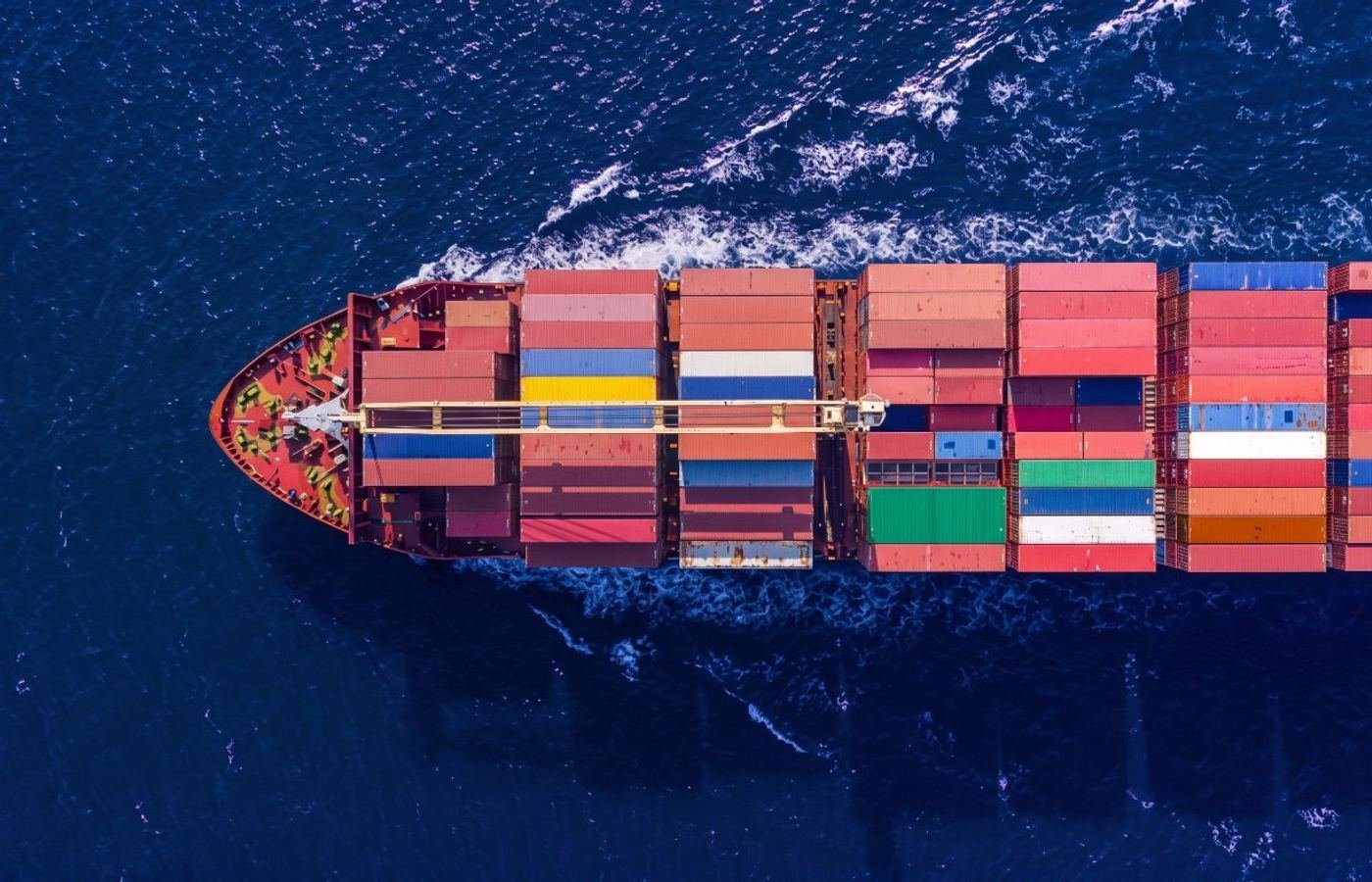
FCL (Full Container Load) means you pay for an entire container, typically 20' or 40', used exclusively for your cargo. The container is sealed at origin and opened at destination, which means fewer touchpoints, lower damage risk and generally faster port handling.
What is LCL shipping?
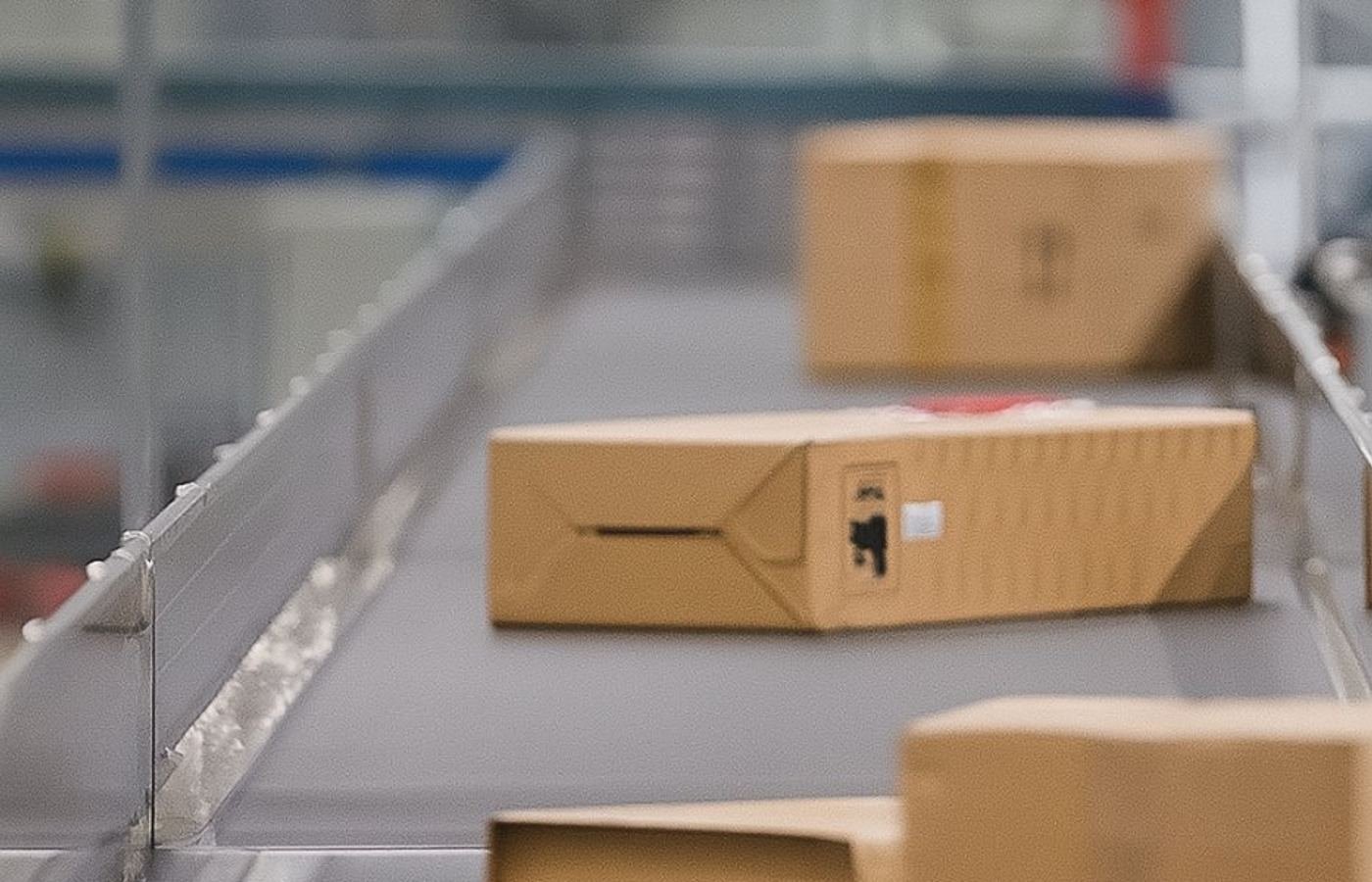
LCL (Less-than-Container Load) means your cargo shares container space with shipments from other companies. You pay only for the volume you occupy, measured in cubic meters (CBM). A consolidator groups compatible cargo, ships it under one master bill of lading, and deconsolidates it at destination.
FCL vs LCL: side-by-side comparison
| FCL | LCL | |
|---|---|---|
| You pay for | The whole container | Only the volume you use (per CBM) |
| Best for | 13+ CBM, high-value or urgent cargo | 1–12 CBM, frequent smaller replenishments |
| Handling | Sealed door-to-door, minimal touchpoints | Consolidated and deconsolidated at CFS warehouses |
| Transit time | Faster (no consolidation wait) | Add 3–7 days for consolidation/deconsolidation |
| Cost curve | Flat: same price whether half-full or full | Linear: grows with each CBM |
When does LCL become more expensive than FCL?
A common rule of thumb: once your shipment passes roughly 13–15 CBM, a 20' container (about 28 usable CBM) often costs the same or less than LCL, with faster transit and less handling. Always compare the total landed cost, not just the freight line.
BLS tip: if you're replenishing inventory on a schedule, mixing modes works well, LCL for frequent smaller restocks, FCL when a season or promotion justifies volume. Our team can model both options against your sales calendar.
Which option is right for you?
- Choose FCL if you ship 13+ CBM, move high-value goods, or need the fastest ocean transit.
- Choose LCL if you ship smaller lots, want more frequent replenishment, or are testing a new market without committing to container volume.
Either way, the decision is reversible shipment by shipment, and a good forwarder will tell you when you've crossed the line where the other mode is cheaper.