
Container types and dimensions: a practical reference
Summary: 20' or 40'? Dry or high cube? The capacities, weight limits and estimation method you need to plan an ocean shipment.
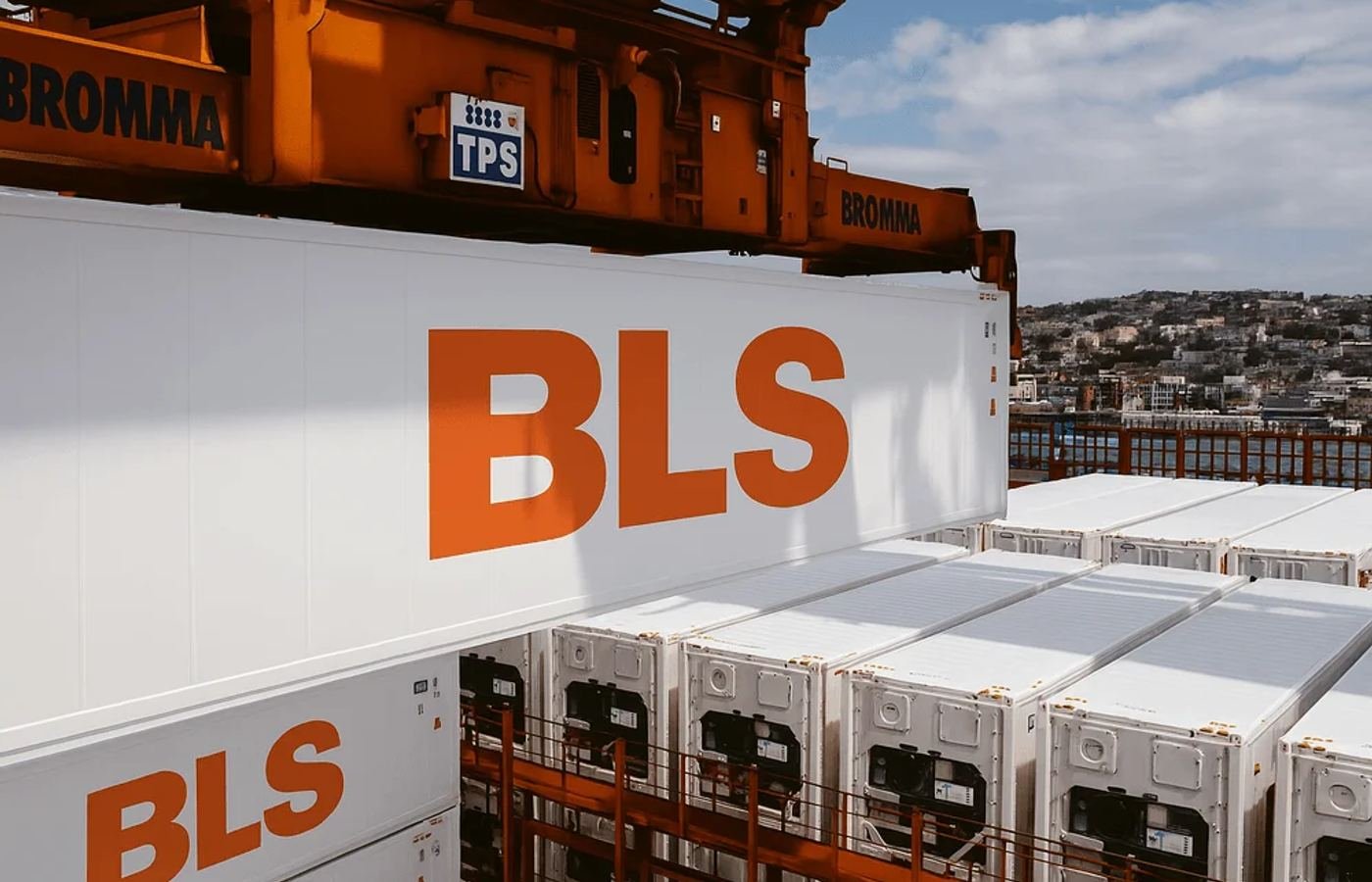
The containers you'll actually encounter
| Type | Internal dims (approx.) | Capacity | Max payload |
|---|---|---|---|
| 20' Dry (20DV) | 5.9 × 2.35 × 2.39 m | ~33 CBM (≈28 usable) | ~28,200 kg |
| 40' Dry (40DV) | 12.03 × 2.35 × 2.39 m | ~67 CBM (≈58 usable) | ~26,700 kg |
| 40' High Cube (40HC) | 12.03 × 2.35 × 2.69 m | ~76 CBM (≈66 usable) | ~26,500 kg |
| 40' Reefer | 11.58 × 2.29 × 2.55 m | ~59 CBM | ~27,500 kg (temperature-controlled) |
"Usable" capacity is lower than the geometric volume because real cargo doesn't tessellate perfectly, plan around 85–88% fill for cartons on pallets.
How to estimate what fits
- Calculate the volume of one carton (L × W × H in meters = CBM).
- Multiply by carton count, then divide by usable capacity to see container fill.
- Check the weight limit too, dense cargo (tiles, hardware, liquids) hits the payload ceiling long before the volume ceiling.
Pallets vs floor-loading
Palletized cargo loads and unloads faster and gets damaged less, but sacrifices roughly 10–15% of volume. Floor-loaded ("loose") cargo maximizes fill but increases handling time and risk. For mixed or fragile goods, pallets usually win on total cost once damage and labor are counted.
Rule of thumb: under ~13 CBM, quote LCL; 13–28 CBM, quote a 20'; above that, a 40' or 40'HC. Then let the actual quotes decide, rate markets shift.