One of the world's fastest-growing e-commerce regions rewards the sellers who solve logistics first. Here's the practical landscape: replenishment models, free trade zones and last-mile realities.
Why Latin America, and why now
Latin America is among the fastest-growing e-commerce regions in the world, driven by mobile-first consumers, social commerce and live shopping. But logistics maturity varies enormously by country, which means the sellers who solve logistics first gain a durable advantage.
The three logistics realities to plan around
1. Cross-border replenishment beats parcel-by-parcel
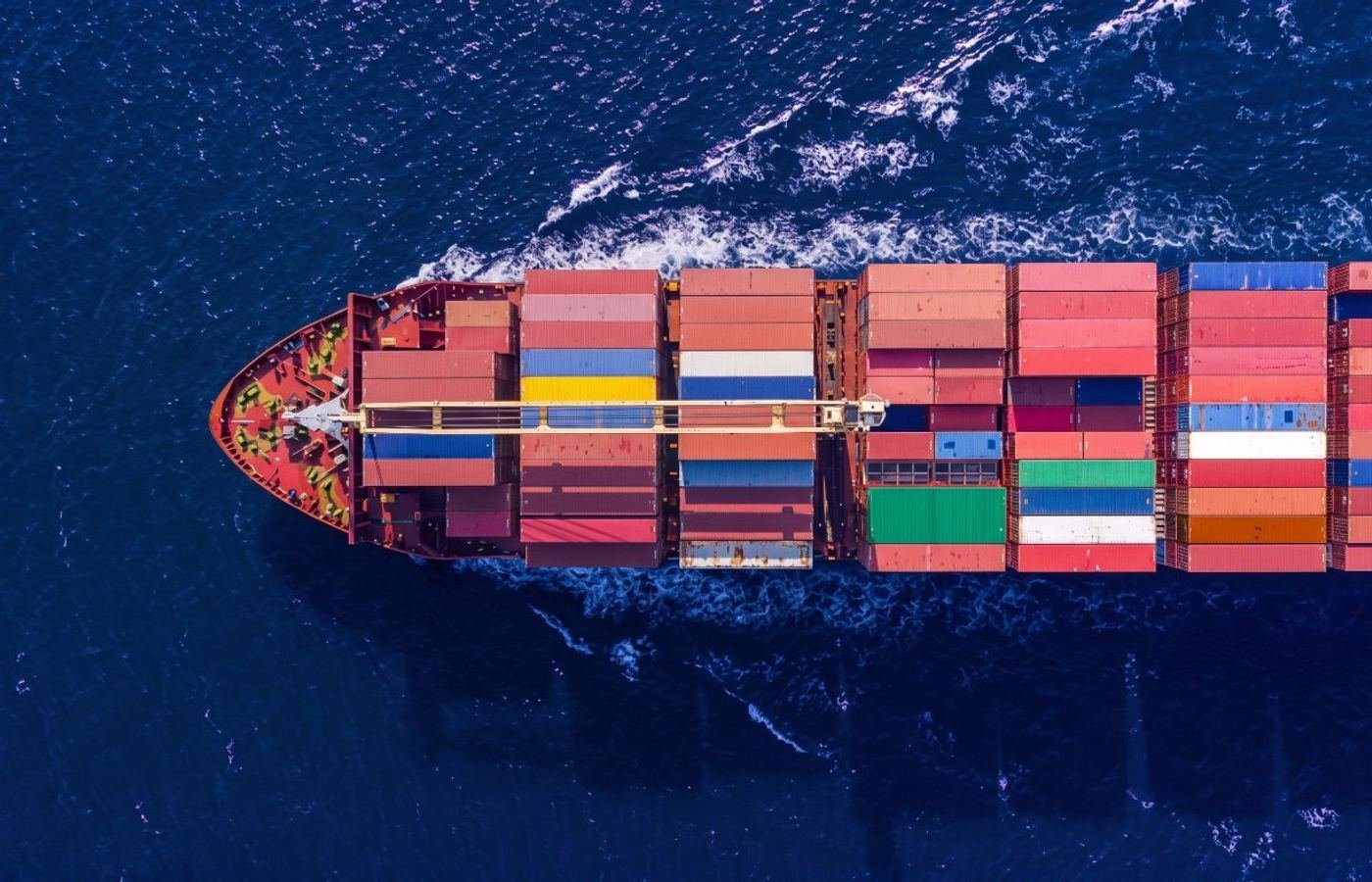
Shipping individual parcels internationally to LATAM customers is expensive and unpredictable. The winning model for growing sellers is consolidated replenishment: move inventory in bulk (LCL, LTL or FCL), position it close to your customers, and fulfill domestically. Unit economics improve dramatically.
2. Free trade zones are a strategic tool
Free trade zones allow cargo to enter, be stored and be re-exported with deferred or reduced duties. For sellers serving several countries in the region, routing through an FTZ can turn one import into a flexible regional distribution point, and defer duty payment until goods actually enter a national market.
3. Last-mile is local, and relationship-driven
National courier networks, cash-on-delivery expectations and address quality differ country by country. Working with a logistics partner that already operates these relationships saves months of trial and error.
A practical playbook for sellers entering the region
- Model your landed cost per unit for two or three candidate routes before buying inventory.
- Start with LCL or LTL replenishment on a fixed cadence; graduate to FCL as volume justifies.
- Get HS classification right from the first shipment, corrections after the fact are costly.
- Choose tracking your customers can see; visibility drives repurchase in markets where trust is earned.
Where BLS fits: our corridor connects U.S. origin points with Latin American markets through consolidated ocean and ground freight, free-trade-zone routing and coordinated last-mile, one team across the whole chain.